

a terraced rice paddy field with standing water, scattered palm trees, and rolling mountains in the background, resembling a tropical agricultural landscape as seen in the Philippines

Making Room for More: A Filipino Perspective on Decolonizing Therapy

When we think about psychology and therapy, we often think about the theories and approaches we’re most familiar with: attachment, CBT, ACT, person-centred therapy, mindfulness, and many others. These approaches have given us incredible tools for understanding ourselves and supporting change, and they continue to be an important part of my own practice.

But I kept wondering: if part of being a good therapist is continuing to learn, grow, and find new ways of understanding the people we support, how much more might there be for us to learn?

A lot of what we learn about psychology comes from Western traditions. This doesn’t make those approaches bad or wrong. They have shaped my own training and continue to be part of how I understand and practice therapy. But they are also shaped by the cultures and societies they came from. And if our understanding of people is shaped by culture, then it makes sense that there might be other ways of understanding people, too.

People creating an artistic circle representing collectivist cultures and communities

This is something I’ve been thinking about more as a Filipino therapist. Learning about Sikolohiyang Pilipino (Filipino Psychology) has introduced me to a psychological tradition that starts from Filipino experiences, language, history, relationships, and culture. Sikolohiyang Pilipino emerged as an indigenous psychology movement in the Philippines, particularly through the work of Filipino psychologist Virgilio Enriquez, who is often considered its founding figure (San Juan, 2025). Rather than simply taking Western psychological ideas and translating them into Filipino, the movement emphasized developing psychological knowledge from Filipino experiences and ways of understanding the world. This has been described as “indigenization from within” (Sevillano et al., 2025).

One of the things I find especially interesting is how much meaning can get lost when we assume that there is always a direct translation between cultures.

Take hiya, often translated as shame, embarrassment, or shyness (Escobar Toria & Davidsen, 2025). Those words can describe parts of the experience, but they don’t necessarily capture everything that hiya can mean within a Filipino context. There can be layers of relationships, expectations, responsibility, and social meaning within that one word.

And that got me thinking: What other experiences might we be understanding through a framework that doesn’t quite fit?

Maybe what we call “people pleasing” could sometimes be connected to deeply held values around family and relationships. Maybe what we call “difficulty with boundaries” deserves a little more curiosity about what responsibility and connection mean to that person. Maybe independence doesn’t mean the same thing to everyone. Maybe “healthy” doesn’t always have to mean becoming more individualistic.

This is where I find the idea of decolonizing therapy interesting.

To me, decolonizing therapy isn’t about rejecting Western psychology or replacing it with another system. It’s about recognizing that there are many ways of understanding people and that no single cultural framework can capture every human experience.

It’s also about becoming curious about the assumptions we sometimes take for granted. What does family mean to you? What does responsibility mean to you? Where did you learn what a “good” person looks like? What does independence mean in your culture? What does healing look like in your community?
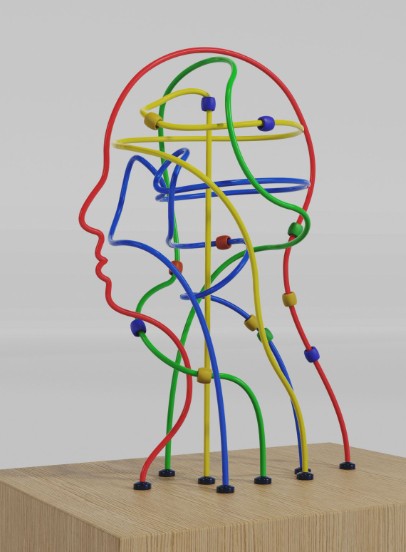
Colorful children's toy representing multiple perspectives

These questions can matter whether you’re Filipino, Indigenous, South Asian, Black, white, an immigrant, a child of immigrants, or someone whose family has lived in the same place for generations. A lot of what feels natural to us can actually be shaped by the culture, family, and communities we grew up in.

Learning about Sikolohiyang Pilipino has reminded me to be curious about those things, both in my work and in my own life.

You can love your family and still need boundaries. You can value being there for others and still want independence. You can feel grateful and hurt at the same time. You don’t always have to choose one side.

For me, that’s what makes exploring different psychological traditions so valuable. It’s not about finding one “right” way to understand people. It’s about making room for more ways of understanding human experiences.

I know I’ll continue learning about this for a long time and for me at least, that’s part of what makes therapy such meaningful work, there is always more to learn about people, culture, relationships, and the different ways we make sense of being human.

Adela Aguilar, Canadian Certified Counsellor, Blue Rock Psychology

If you’d like to learn more about working with Adela or another member of the Blue Rock Psychology team, reach out to us at hello@bluerockpsychology.ca.

References

Escobar Torio, J. J., & Davidsen, C. (2025). Communicative and cultural challenges to public participation in climate action initiatives: A case study of hiya among Filipino immigrants. Journal of International and Intercultural Communication, 18(3), 261–280. https://doi.org/10.1080/17513057.2025.2522889

San Juan, E. (2025). Sikolohiyang Pilipino: Vicissitudes of Indigenization in the Philippines. In: Gao, Z.Z., Medved, M.I. (eds) Global Perspectives on Cultural Politics in Indigenous Psychology. Palgrave Studies in Indigenous Psychology. Palgrave Macmillan, Cham. https://doi.org/10.1007/978-3-031-96813-6_7

Sevillano, L., La Torre, J. C., Macapugay, K. A., Aquino-Adriatico, G., Bañada, R., Cadiz, M. P., Tabag, K., Bersamira, C. S., Duldulao, A., Maglalang, D. D., Sangalang, C. C., & Enrile, A. (2025). Atangs to kuwentos: The power of communal care as decolonial mental health praxis among Pilipinx Americans. American Psychologist, 80(4), 476–493. https://doi.org/10.1037/amp0001475

Leaves on a tree in the fall

When Everyone Else Seems to be Moving Forward: Understanding Self in Context

September often brings new change; back to school, re-establishing routines, and prioritizing productivity after the summer months. When we look online, we often see that someone is starting a business, a friend was promoted, a couple you know just got engaged, a family member just bought a house, or an old friend just completed their first marathon.

The highlight reel of social media perpetuates the idea that there is always another task, another piece of the puzzle you haven’t filled in, and another person you are behind. This has the potential to create a cyclic pattern; the more we compare ourselves to others on social media, the less satisfaction we feel (Wirtz et al., 2021).

Before we know it, we can be thinking what am I doing wrong? Why does everyone seem to already have it all figured out?

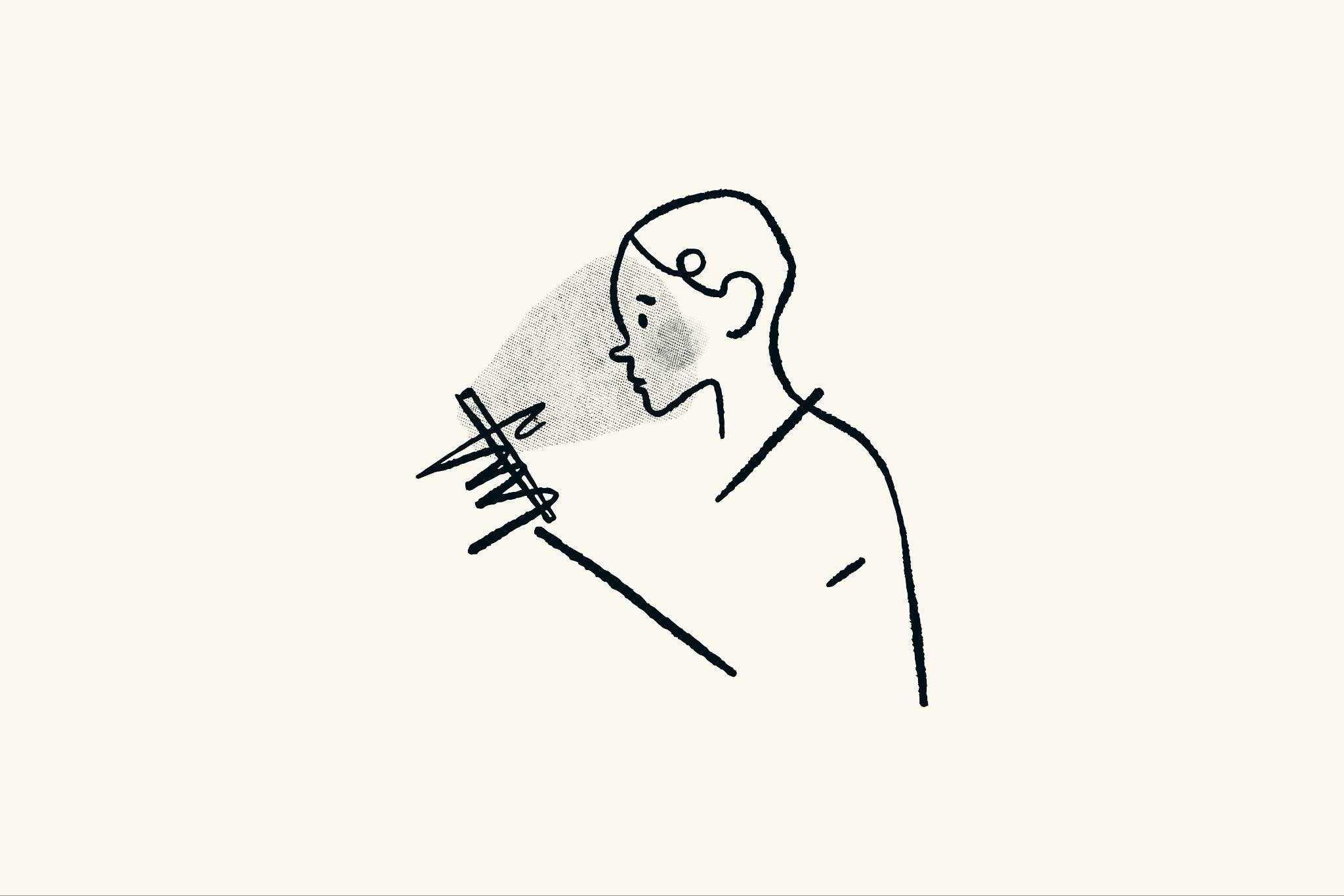
Person looking at their phone and reflecting on how their life compares to others

It’s easy to say that “comparison is the thief of joy”, but how do we help ourselves from falling into it so easily?

Competition has the potential to fuel motivation but can also create the mindset that there is not enough success or resources to go around. This “scarcity mindset” has a direct impact on how we are able to set goals for ourselves and create change that is more central to our own needs and desires (Ren et al., 2024).

It is also common to simultaneously experience excitement or pride with emotions such as jealousy or inferiority when learning about the successes of others. How we experience someone else’s accomplishments can feel different depending on whether or not we are with them as opposed to discovering the information online. Without having others present, we are more likely to attribute failure to ourselves (Wen, 2018).

Due to the variability in how we interact with and compare ourselves to others, it can be helpful to take the time to check-in with ourselves and reflect on what thoughts and feelings are coming up in the moment.

Writing reflective thoughts in a journal

Points for reflection:

  • What does success look like to me?
  • When I look back on my personal/career development, what do I see?
  • What areas of my life do I want to pay the most attention to?
  • What assumptions could I be making about what I perceive about the success of others?
  • What are some realistic goals I can set to help me feel fulfilled?
  • How can I acknowledge and celebrate my achievements?

Getting curious and finding what’s important can be invaluable in determining what changes can be made, and what can be let go of for now. Maybe you are currently prioritizing your career over a romantic relationship. Maybe a personal project has been where you have focused your time and attention recently. This doesn’t mean that you don’t care to fulfill these other pillars that you value, but rather that you are able to understand what’s right for you here and now.

Instead of a life filled with impatient anticipation, understanding that life doesn’t happen all at once can become an exciting idea.

Carolyn Kesler, Registered Provisional Psychologist, Blue Rock Psychology

If you’d like to learn more about working with Carolyn or another member of the Blue Rock Psychology team, reach out to us at hello@bluerockpsychology.ca.

References

Ren, M., Zou, S., Zhu, S., Shi, M., Li, W., & Ding, D. (2024). The effects of scarcity mindset on envy: The mediating role of the sense of control. Current Psychology, 43(8), 7612-7627. https://doi.org/10.1007/s12144-023-04872-y

Wen, S. (2018). The effect of result publicity on self-serving attributional bias—a social comparison perspective. Frontiers of Business Research in China, 12(1), 7. https://doi.org/10.1186/s11782-018-0028-8

Wirtz, D., Tucker, A., Briggs, C., & Schoemann, A. M. (2021). How and why social media affect subjective well-being: Multi-site use and social comparison as predictors of change across time. Journal of Happiness studies, 22(4), 1673-1691. https://doi.org/10.1007/s10902-020-00291-z

A diverse crowd celebrates Canada Day in Calgary, Alberta, highlighting the importance of community, belonging, and connection.

The Psychology of Belonging: Why We’re Wired for Connection This Canada Day

As Canada Day approaches, many of us are planning celebrations with family, friends, neighbours, and our wider communities. Amid the parades, fireworks, barbecues, family gatherings, and neighbourhood festivities, something remarkable is happening beneath the surface of these shared experiences. As we express pride in being Canadian and honour the rich histories and enduring contributions of Indigenous Peoples, we are also participating in something profoundly human: our innate need to connect and belong.

Canada is a country shaped by many cultures, identities, languages, and lived experiences. Our diversity is one of our greatest strengths, and belonging is what allows that diversity to flourish. When people feel welcomed, valued, and connected, communities become places where individuals can contribute, grow, and thrive.

The desire to belong is far more than a social preference—it is a fundamental human need. Feeling connected, accepted, and part of something larger than ourselves is essential to our psychological well-being. Strong social bonds contribute to better mental and physical health, greater resilience, and a deeper sense of purpose (Baumeister & Leary, 1995).

So why does connection matter so much? What is it about belonging that shapes our happiness, our health, and even our survival? And what role does community play in helping us thrive?

Built for Belonging

Connection isn’t a nice to have—it’s a must have.

Spending meaningful time with the people we care about is one of our most fundamental human needs. Canadian psychologist Dr. Sue Johnson, the creator of Emotionally Focused Therapy (EFT), spent her career showing that we are “wired for connection.” Drawing on John Bowlby’s attachment theory, she reminded us that our need for safe, secure relationships lasts “from the cradle to the grave” (Johnson, 2019).

Johnson believed that thriving relationships share three essential qualities. The people we depend on are A.R.E.:

• Accessible – They are there when we need them.

• Responsive – They notice our needs and respond with care.

• Engaged – They are emotionally present and invested in the relationship.

When we know someone has our back, we feel safer, stronger, and more capable of facing life’s challenges. Secure relationships become a launch pad—not a limitation—giving us the confidence to explore, grow, and recover when life gets difficult.

Decades of attachment research support what Johnson taught: strong emotional bonds are associated with greater resilience, lower stress and anxiety, a stronger sense of self, and increased hope, well-being, and belonging (Bowlby, 1988; Johnson, 2019; Mikulincer & Shaver, 2016).

A young boy stands outdoors wrapped in a Canadian flag, suggesting Canada Day celebration in Calgary, Alberta.

The Parts of Us That Want to Belong

At Blue Rock Psychology, we help people build deeper, more meaningful connections—with themselves and with the people they care about. That’s why many of our therapists draw on approaches like Emotionally Focused Therapy (EFT), developed by Dr. Sue Johnson, and Internal Family Systems (IFS), developed by Dr. Richard Schwartz. Although these therapies are different, they share a common belief: we all have a deep need to feel safe, understood, and connected.

If you’re familiar with IFS, you’ll know we often talk about our “parts”—the different aspects of ourselves that carry our experiences, emotions, and protective strategies. You might recognize:

• A part that’s excited to meet new people.

• A part that wonders, “Do I fit in?”

• A part that protects you from rejection by staying quiet or keeping your distance.

• A part that longs to be known, accepted, and deeply connected.

These parts may not always agree on how to keep us safe, but they usually want the same thing: relationships where we can be ourselves, feel accepted, and know that we matter (Schwartz, 2021).

Connection Begins with Community

Some A.R.E. relationships are intimate and deeply personal. But the relationships that shape our well-being aren’t limited to our closest loved ones. Communities matter too.

While self-care has its place, so does community care. Every smile, conversation, invitation, and act of kindness helps create the kind of world where people feel welcome. Knowing our “tribe” will show up for us can help regulate our nervous system and strengthen our sense of belonging.

Connection doesn’t have to be grand or complicated. Sometimes it looks like checking in on a friend, introducing yourself to a new neighbour, volunteering for a local cause, or simply making space for someone to feel included. Small moments of connection often leave a lasting impact. And connection needs both givers and receivers—fortunately, both sides benefit.

A person holds a red maple leaf while celebrating Canada Day outdoors.

A Canada Day Reflection

As you celebrate this Canada Day, you might ask yourself:

• Where do I feel that I truly belong?

• Who helps me feel safe, seen, and supported?

• How can I help someone else feel a little more connected today?

At Blue Rock Psychology, we believe healing happens in relationships. Whether it’s within families, friendships, intimate partnerships, or our wider communities, connection helps us grow, heal, and thrive.

This Canada Day, let’s celebrate not only the beautiful mosaic that is Canada, but also the relationships that weave us together. Because when people feel connected, communities flourish—and so do we.

Jodie Purnell, Registered Psychologist, Owner – Blue Rock Psychology

If you’d like to learn more about working with Jodie or another member of the Blue Rock Psychology team, reach out to us at hello@bluerockpsychology.ca.

References

Baumeister, R. F., & Leary, M. R. (1995). The need to belong: Desire for interpersonal attachments as a fundamental human motivation. Psychological Bulletin, 117(3), 497–529.

Bowlby, J. (1988). A Secure Base: Parent-Child Attachment and Healthy Human Development. Basic Books.

Johnson, S. M. (2008). Hold Me Tight: Seven Conversations for a Lifetime of Love. Little, Brown Spark.

Johnson, S. M. (2019). Attachment Theory in Practice: Emotionally Focused Therapy (EFT) with Individuals, Couples, and Families. Guilford Press.

Mikulincer, M., & Shaver, P. R. (2016). Attachment in Adulthood: Structure, Dynamics, and Change (2nd ed.). Guilford Press.

Schwartz, R. C. (2021). No Bad Parts: Healing Trauma and Restoring Wholeness with the Internal Family Systems Model. Sounds True.